The Importance of Nutrition and Mealtimes in Care Homes
When searching for the right care home, families often focus on care quality, safety and accommodation. While these are essential, nutrition and the overall dining experience play an equally important role in daily happiness and long-term well-being.
Food is more than nourishment. It is comfort, familiarity and routine. For many older adults, mealtimes represent treasured traditions and social connections. In a care home setting, these moments can provide stability, dignity and genuine enjoyment.
Why Nutrition Matters in Later Life
As we age, our bodies require different levels of nutrients to maintain strength and energy. Older adults may need higher protein intake to support muscle mass, balanced meals to maintain a healthy weight and careful hydration to prevent fatigue and confusion.
Good nutrition in care homes helps residents maintain immunity, recover from illness more effectively and sustain overall physical health. However, nutritious meals should never feel clinical or uninspiring. The best care homes focus on creating dishes that are both nourishing and appealing, ensuring residents look forward to each meal.
A varied menu that caters to individual tastes, cultural backgrounds and dietary needs can make a significant difference to a resident’s quality of life.

The Social Importance of Mealtimes
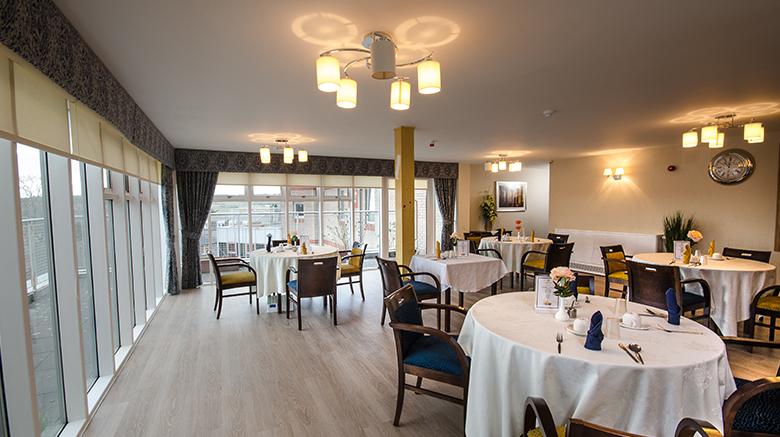
Mealtimes are often the heart of a care home. They structure the day and provide an opportunity to gather, chat and relax. Sitting together encourages conversation and helps reduce feelings of loneliness, which can be common in later life.
Sharing food naturally builds connection. It creates a relaxed atmosphere where friendships can grow and family visits feel more natural. When relatives are welcomed to join for lunch or special occasions, it strengthens bonds and reassures families that their loved one feels part of a community.
Unhurried dining is equally important. Residents should feel supported to eat at their own pace, with discreet assistance available when required. This approach protects dignity and promotes comfort.
Supporting Independence Through Thoughtful Design
Maintaining independence is deeply important to older adults. Even small acts, such as eating independently, contribute to self-confidence and self-esteem.
Modern care homes often use thoughtful dining solutions to support residents with physical or cognitive challenges. Coloured plates can help those with visual impairments distinguish their food more clearly. Some homes use coloured jugs to support residents living with dementia in recognising drinks more easily. Specially designed cutlery can assist individuals who experience difficulty with grip or fine motor skills.
These small adaptations allow residents to remain as independent as possible while ensuring safety and comfort.


Dementia and Dining Environments
For residents living with dementia, the dining environment itself can influence how well they eat. Calm and clutter free surroundings reduce confusion and anxiety. Plain tablecloths and simple place settings can make it easier to focus on the meal in front of them.
Consistency also helps. Sitting in familiar spaces and following predictable routines can provide reassurance. When staff offer gentle encouragement rather than pressure, residents are more likely to feel relaxed and enjoy their food.
Specialist tableware designed for complex needs can further support independence and dignity. These thoughtful measures demonstrate how seriously many care homes now take the dining experience for residents with memory loss.
Hydration and Daily Wellbeing
Hydration is just as important as nutrition. Dehydration in older adults can lead to headaches, confusion and increased risk of infection. High-quality care homes encourage regular fluid intake throughout the day, not only at set meal times.
Providing accessible drinks, fresh fruit and light snacks supports consistent hydration and energy levels. When refreshments are readily available in communal areas and private rooms, residents are more likely to maintain healthy habits.
Choice, Routine and Familiar Traditions
Food is deeply personal. Many residents associate mealtimes with lifelong family traditions such as setting the table, baking or preparing ingredients. Encouraging residents to stay involved in these routines can preserve identity and create a comforting sense of normality.
The opportunity to help shape menus, take part in baking activities or celebrate occasions with a favourite dish helps maintain a sense of control and belonging. Celebrating birthdays with homemade cake or marking seasonal events can transform a simple meal into a cherished memory.
Dining at Deeside Care Home in Cults, Aberdeen
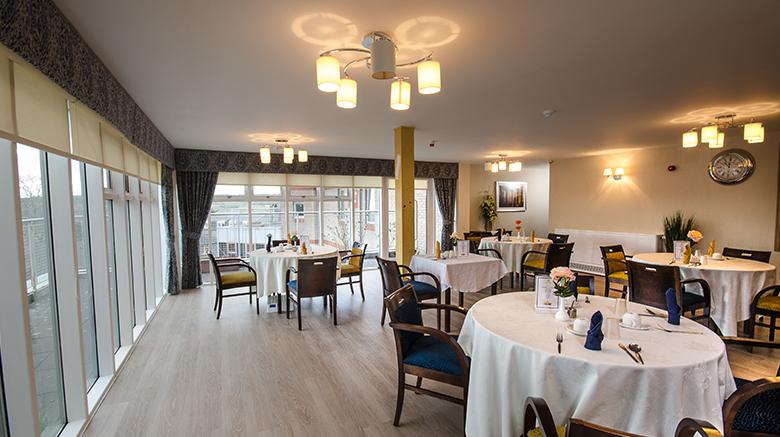
At Deeside Care Home, mealtimes are seen as an opportunity to gather with loved ones and fellow residents to share delicious food and meaningful moments.
The home provides plated meal options in an elegant dining setting that feels both welcoming and refined. Residents are encouraged to dine together to experience the social benefits of shared meals, while staff are always available to offer one-to-one support at a pace that suits the individual.
Families are warmly invited to join their loved ones for meals, celebrations and social occasions. Prospective residents and their relatives are also welcome to stay for lunch following a visit, offering a true sense of daily life within the home.
Particular attention is given to residents living with dementia. Mealtimes are held in calm surroundings with plain table settings to avoid unnecessary confusion. The home also has access to specialised tableware designed to support fine motor skills and promote independent eating wherever possible.
A Hydration Station and readily available snacks, including fruit and homemade cakes, ensure that nutrition and enjoyment continue throughout the day.


Choosing a Care Home with Mealtimes in Mind
When exploring care homes in Aberdeen, families may wish to consider how the home approaches food and dining. Asking about menu variety, nutritional planning, dementia support and whether relatives are welcome to join for meals can provide valuable insight.
The importance of nutrition and mealtimes in care homes extends far beyond the plate. It reflects the home’s commitment to dignity, wellbeing and community.
To experience the warmth, quality and attention to detail of our dining experience for yourself, get in touch with our friendly team at Deeside Care Home to arrange a visit.
To experience the warmth, quality and attention to detail of our dining experience for yourself, get in touch with our friendly team at Deeside Care Home to arrange a visit.