Choosing a care home is about more than finding the right support for today. For many families, one of the biggest concerns is what might happen in the future if a loved one's needs change. Will they need to move again? Will they have to leave behind familiar faces and routines? Will a new care home be required?
This is where the concept of a continuum of care becomes so important.
While the term may sound clinical, a continuum of care is actually a simple idea that can make a significant difference to a resident's quality of life. It means that as a person's needs evolve, the care and support they receive can evolve too, often within the same care home community.
For families exploring care options in Aberdeen, understanding the continuum of care can help ensure they choose a home that provides both immediate support and long-term peace of mind.
What is a Continuum of Care?
A continuum of care refers to a range of care services that can adapt alongside a person's changing needs over time.
Rather than moving between different providers or care settings, residents can often access varying levels of support within the same care home. This creates a seamless transition between care types while maintaining familiarity, comfort, and stability.
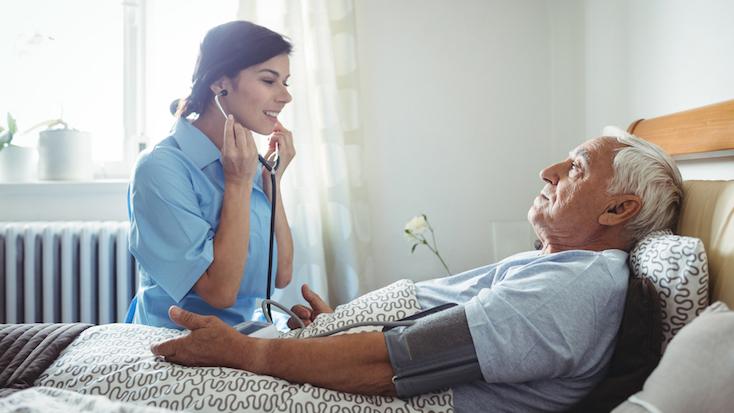
In practice, this means someone may initially move into residential care and later receive nursing care if their health needs become more complex. If they require dementia care or palliative care in the future, these services may also be available without the disruption of relocating to a new home.
The focus is on providing consistent, person-centred support throughout every stage of a resident's journey.
Why Care Needs Can Change Over Time
As we age, our needs naturally change. Someone who is largely independent today may require additional support in the years ahead.
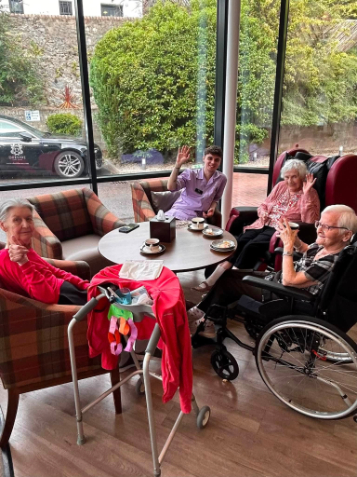
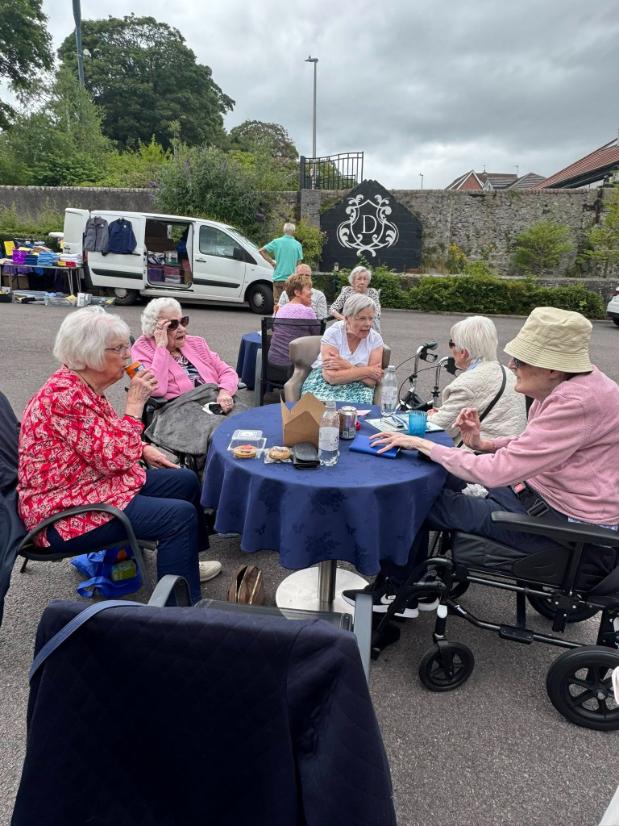
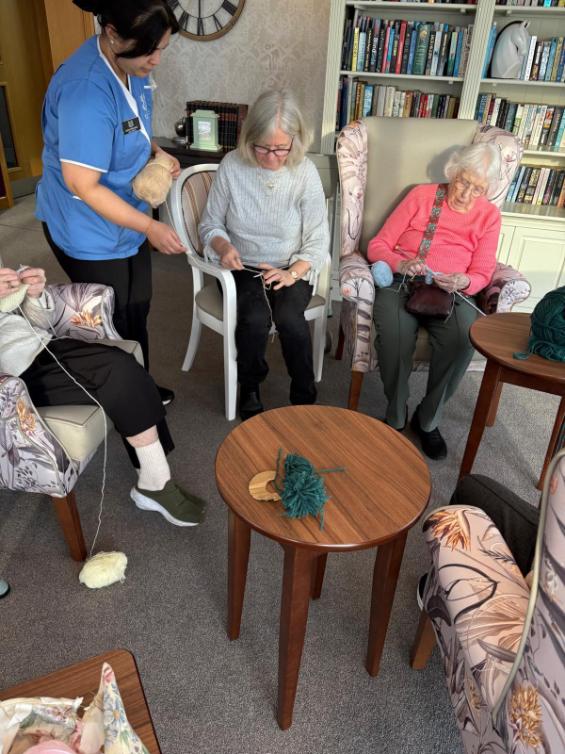
For example, an older adult may initially move into residential care because they would benefit from help with daily tasks such as personal care, medication management, housekeeping, and meal preparation. They may enjoy a vibrant social environment and appreciate having support available around the clock.
However, if they later develop a long-term health condition or require more specialist support, nursing care may become appropriate.
Similarly, a resident who begins their journey in nursing care may eventually require palliative care to support comfort, dignity, and well-being towards the end of life.
Without a continuum of care, these changes can sometimes result in multiple moves between different care settings. With a continuum of care in place, support can often increase naturally while residents remain in the home they know and trust.
From Residential Care to Nursing Care
One of the most common examples of a continuum of care is the transition from residential care to nursing care.
Residential care is ideal for individuals who need support with everyday living but do not require regular medical intervention. Residents receive help with daily routines while enjoying an active and independent lifestyle.
Over time, some residents may develop health conditions that require closer clinical monitoring. This could include managing chronic illnesses, recovering from illness or surgery, or needing specialist healthcare support.
When a care home offers both residential and nursing care, residents can often transition smoothly to the higher level of support they need without leaving the community they have become part of.
This continuity can significantly reduce anxiety and help residents feel secure during what might otherwise be a challenging period of change.
Supporting Residents Living with Dementia
A continuum of care is particularly valuable for people living with dementia.
Dementia is a progressive condition, which means care requirements often change over time. While someone may initially need only occasional support, they may later require more specialised care and a dementia-friendly environment.
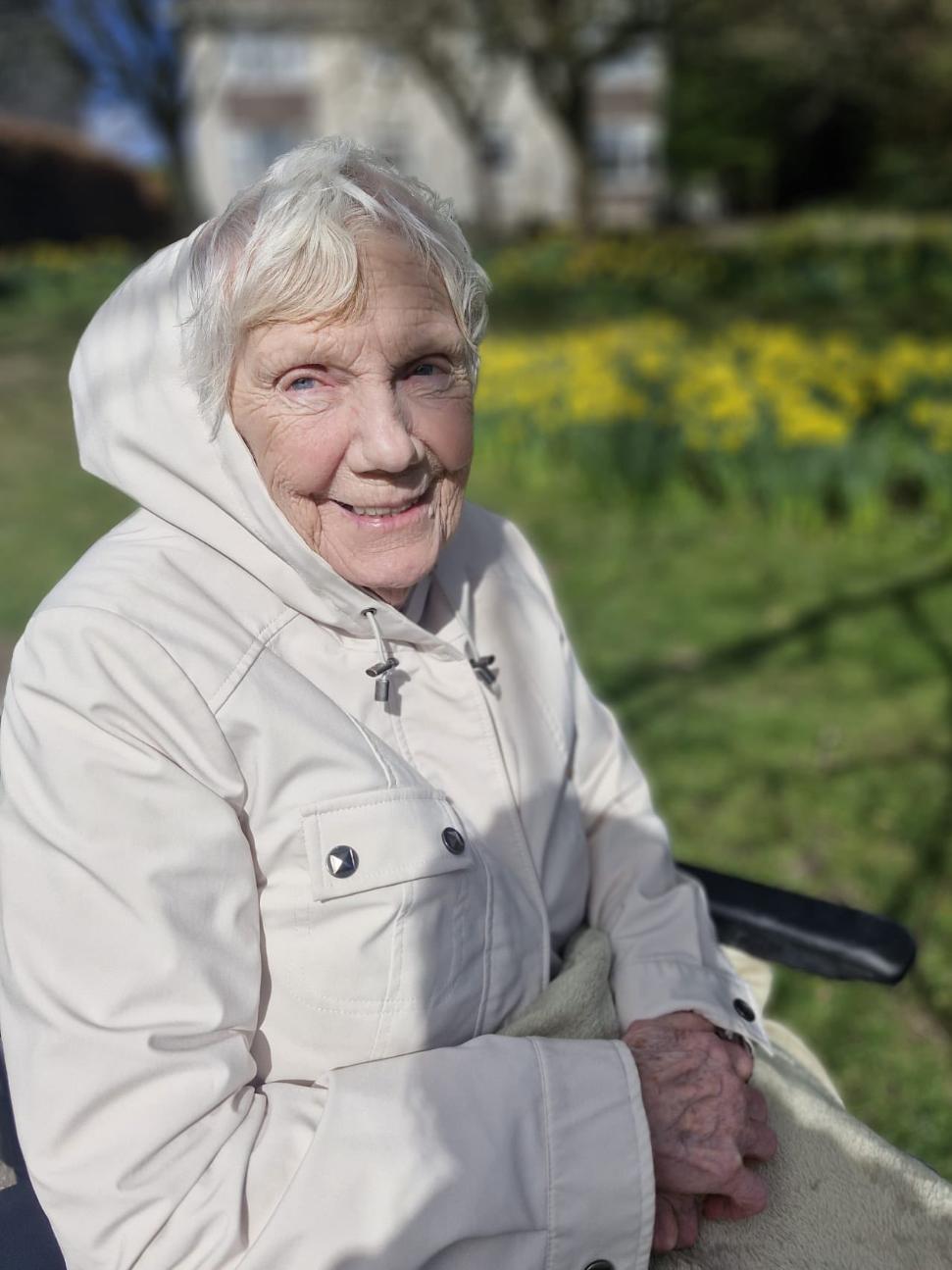
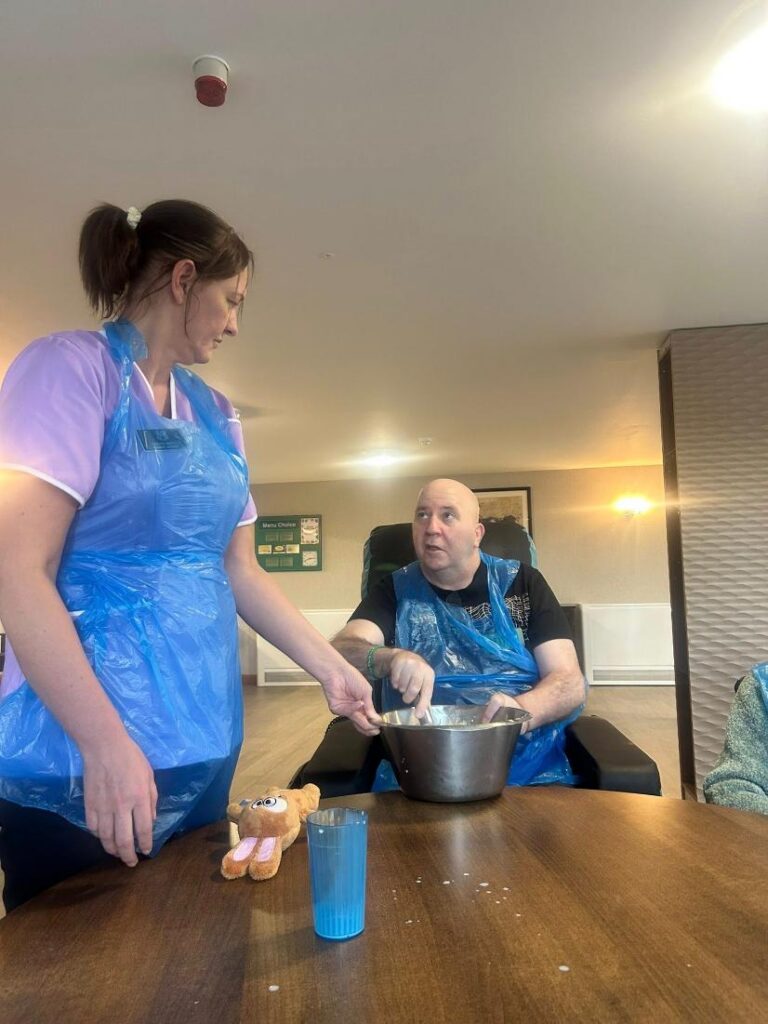
When dementia care forms part of a wider continuum of care, residents can receive increasing levels of support while remaining in familiar surroundings. Maintaining consistency, routine, and trusted relationships can have a positive impact on wellbeing and help residents feel more comfortable and confident.
Families also benefit from knowing their loved one can continue receiving personalised support from a team that understands their individual preferences, routines, and life story.
How Respite Care Can Become Long-Term Care
Many people first experience a care home through a respite stay.
Respite care provides short-term support for older adults, whether following a hospital stay, while a family carer takes a break, or simply to try care home living before making a longer-term decision.
It is not uncommon for residents to enjoy their respite stay so much that they decide to remain permanently.
When a care home offers a continuum of care, this transition can happen naturally. Residents already know the team, have settled into daily life, and have formed relationships with other residents. The move from short-term support to permanent care feels far less daunting because they are already part of the community.
The Benefits of a Continuum of Care for Families
Families often tell us that one of their greatest worries is the uncertainty of the future.
A continuum of care provides reassurance because it removes many of the unknowns. Rather than searching for a new care home every time care needs change, families can feel confident that support can adapt as required.
This means fewer disruptions, less stress, and greater continuity for everyone involved.
It also allows care teams to build strong relationships with residents and their loved ones over time. The better a team knows a resident, the more personalised and effective their care can become.
Choosing a Care Home That Can Support the Future
When comparing care homes, it is easy to focus solely on immediate needs. However, it is equally important to think ahead.
Choosing a home that offers a continuum of care can provide valuable flexibility and help ensure residents continue receiving the right support as circumstances change.
Whether someone requires residential care today, nursing care tomorrow, or more specialist support later in life, having access to a full range of services within one community can make a significant difference to their comfort, wellbeing, and overall quality of life.
Continuum of Care at Deeside Care Home
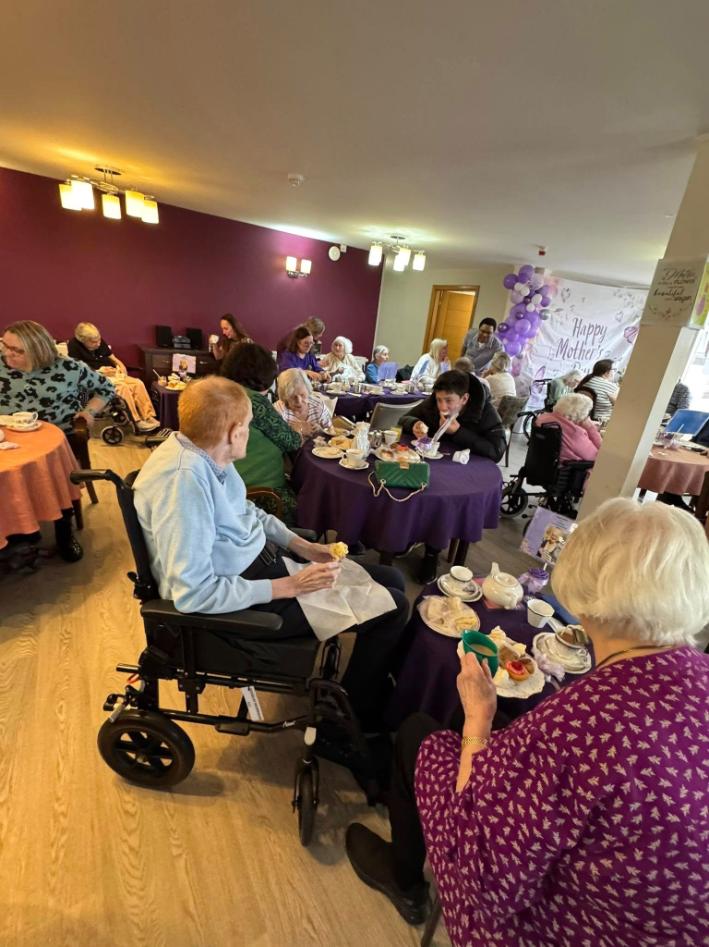
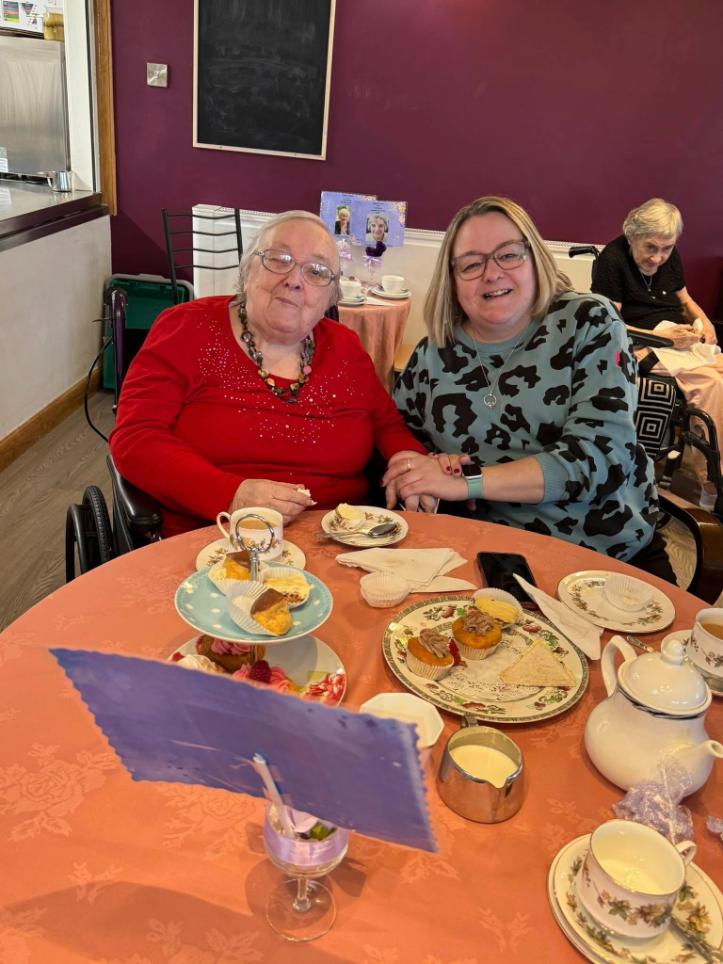
At Deeside Care Home in Cults, Aberdeen, we understand that every resident's journey is unique. That is why we provide a range of care services designed to support changing needs with compassion, dignity, and consistency.
From Residential Care and Nursing Care to Dementia Care, Respite Care, and Palliative Care, our experienced team is committed to delivering personalised support every step of the way. By offering a continuum of care, we help residents remain in a place that feels familiar, comfortable, and truly feels like home.
If you would like to learn more about life at Deeside Care Home or explore the care options available, our friendly team would be delighted to arrange a visit and answer any questions you may have.